Introduction
When it comes to extracurricular activities for children, dance lessons offer a wealth of benefits that go far beyond physical fitness. Not only do they provide a disciplined form of exercise, but they also inspire creativity, boost confidence, and nurture a sense of teamwork. However, as with any commitment affecting your child’s development, choosing the right dance school is crucial. So, how do you decide which dance school is the best fit for your child? This article explores key factors to consider when selecting a dance school to ensure a positive and enriching experience for your young dancer.
Assess the School’s Dance Programmes
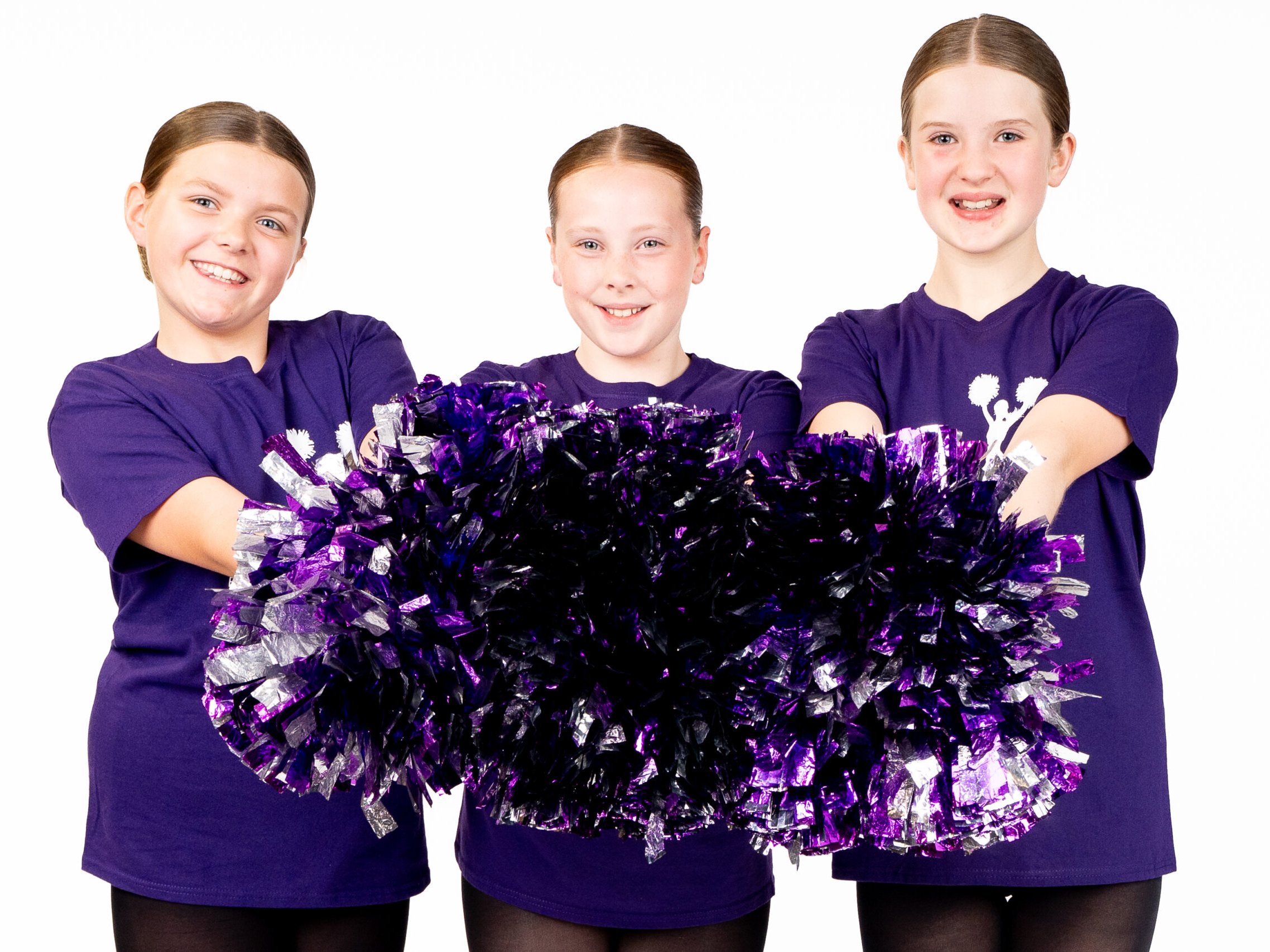
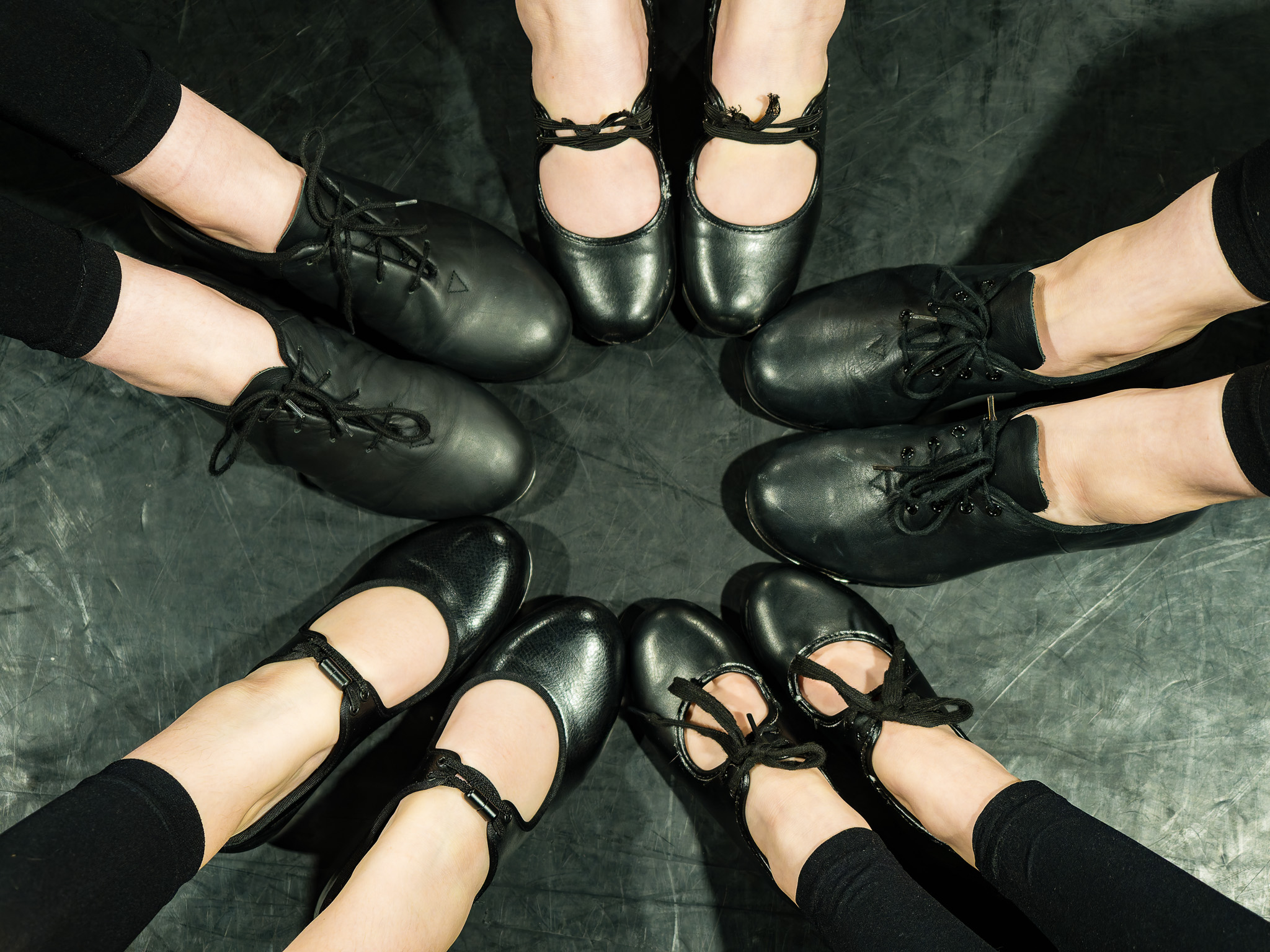
One of the first aspects to consider is the variety of dance programmes offered. Dance schools can vary significantly in the types of dance they teach. While some may focus primarily on classical ballet, others might offer a broader range of styles including tap, jazz, hip hop, and contemporary dance.
For a well-rounded dancer, it might be advantageous to select a school like KTZ Dance School, which offers a diverse curriculum. This not only allows children to explore different forms of dance but also helps them to discover which style resonates most with their personal interests and talents. Furthermore, exposure to different genres can enhance versatility and proficiency in dance, providing a more rounded education.
Qualifications and Experience of Instructors
The calibre of instructors is a pivotal factor in choosing a dance school. Experienced and qualified instructors can significantly impact the quality of education your child receives. They not only teach the technical aspects of dance but also instil a love for the art, while ensuring that classes are both challenging and enjoyable.
When evaluating dance schools, take the time to research the credentials of the teaching staff. Instructors who have professional experience in performing arts or possess formal qualifications in dance education are likely to offer high-quality instruction. This background not only equips them with the necessary skills to teach effectively but also provides them with the ability to inspire and motivate young dancers.
Class Sizes and Student Interaction
Class size is another important consideration when choosing a dance school. Smaller class sizes often allow for more individual attention, tailored feedback, and closer monitoring of a child’s progress. This can be especially beneficial for beginners, who may require additional support and encouragement as they develop their skills.
The interaction between the students within the class is equally important. Dance schools that encourage collaboration and teamwork can help foster a positive and supportive learning environment. This sense of community not only enhances the learning experience but also helps build friendships, encouraging children to continue participating in dance.
Performance Opportunities
Performance opportunities are a critical component of dance education. They provide students with a platform to showcase their abilities, build confidence, and apply what they have learned in lessons. Participation in shows and recitals helps children to gain experience in managing performance-related nerves and improves stage presence.
When evaluating dance schools, it is important to inquire about the performance opportunities available to students. Look for schools that offer several chances for children to perform each year, whether in local events, competitions, or school-organised productions.
Facilities and Resources
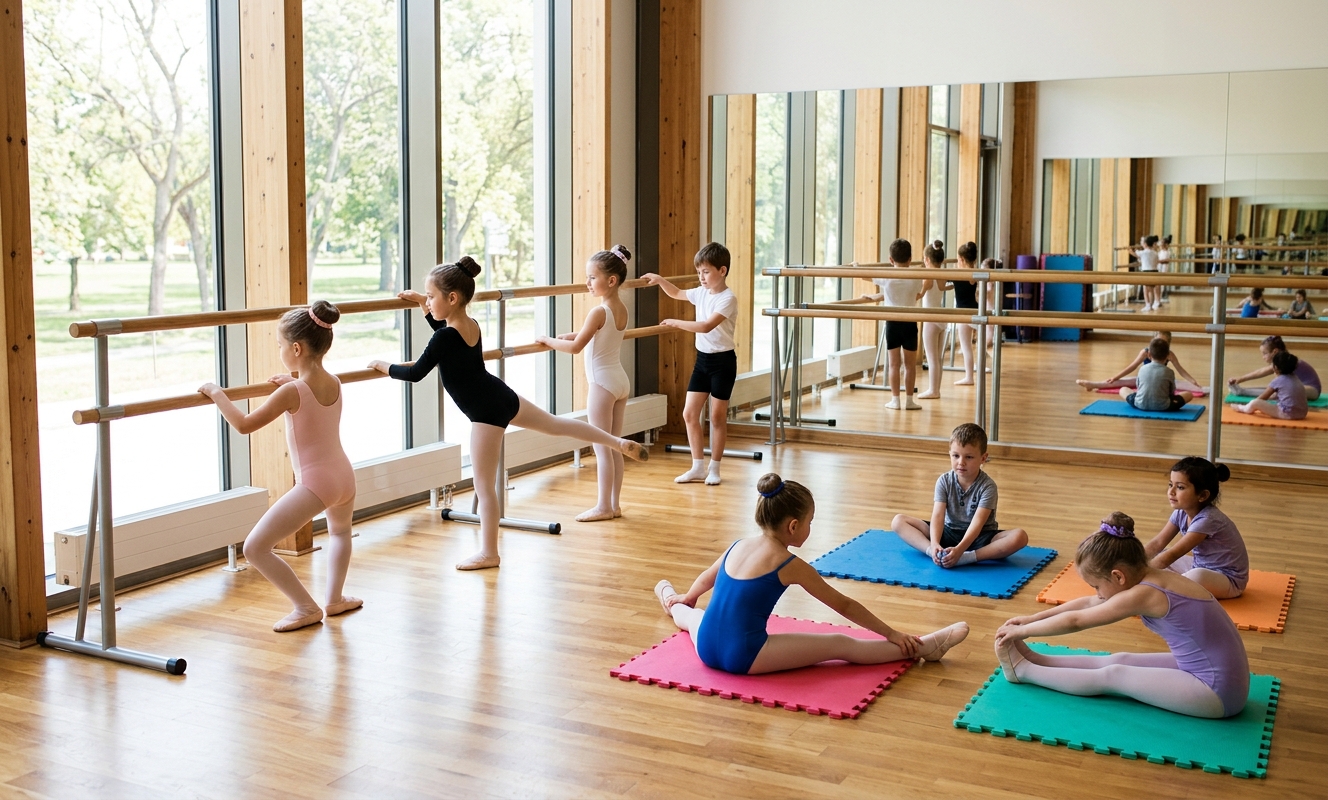
The facilities and resources available at a dance school can also significantly influence your child’s overall experience. Well-equipped studios with quality flooring, mirrors, and sound systems contribute to effective learning. Safety should always be a priority, with studios adhering to standards that reduce the risk of injury.
In addition to the physical environment, consider what additional resources the school provides, such as costumes for performances, practice sessions, or access to supplementary training like technique classes or workshops.
Values and Ethics of the School
Finally, the ethos and values of a dance school should align with your own. It is important that the school promotes a healthy, inclusive, and supportive atmosphere where children are encouraged to express themselves freely and respectfully.
A good dance school should foster not only technical skills but also nurture qualities such as discipline, respect, and perseverance. These values will not only benefit your child’s dance education but will also extend into other areas of their life.
Conclusion
Ultimately, the right dance school for your child is one that fits their individual needs and encourages their personal and artistic growth. By considering factors such as the programmes offered, the qualifications of the instructors, class sizes, performance opportunities, facilities, and the school’s values, you can ensure that your child enjoys a fulfilling and rewarding dance experience. Investing time in this choice will provide your child with a strong foundation in dance, enriching their lives in countless ways.