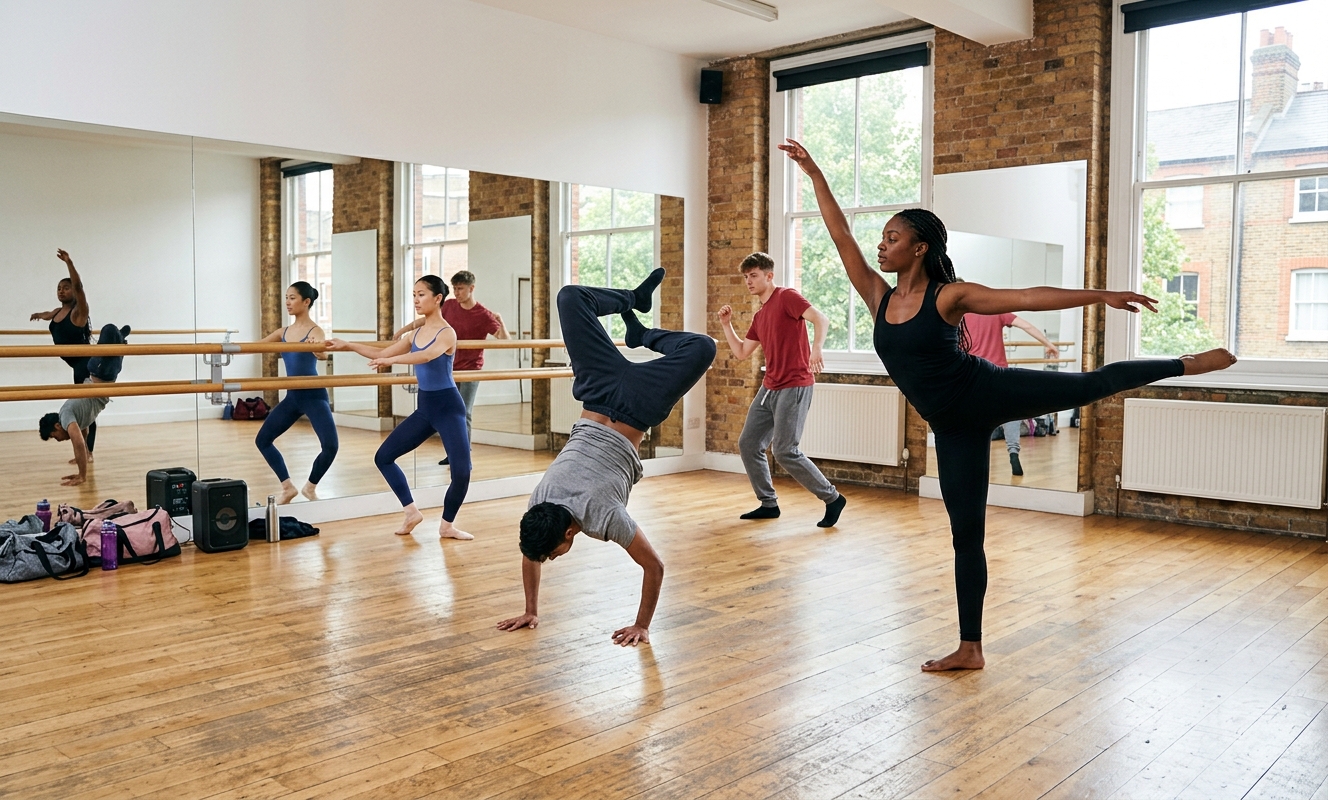
Understanding the Value of Safe Dance Training
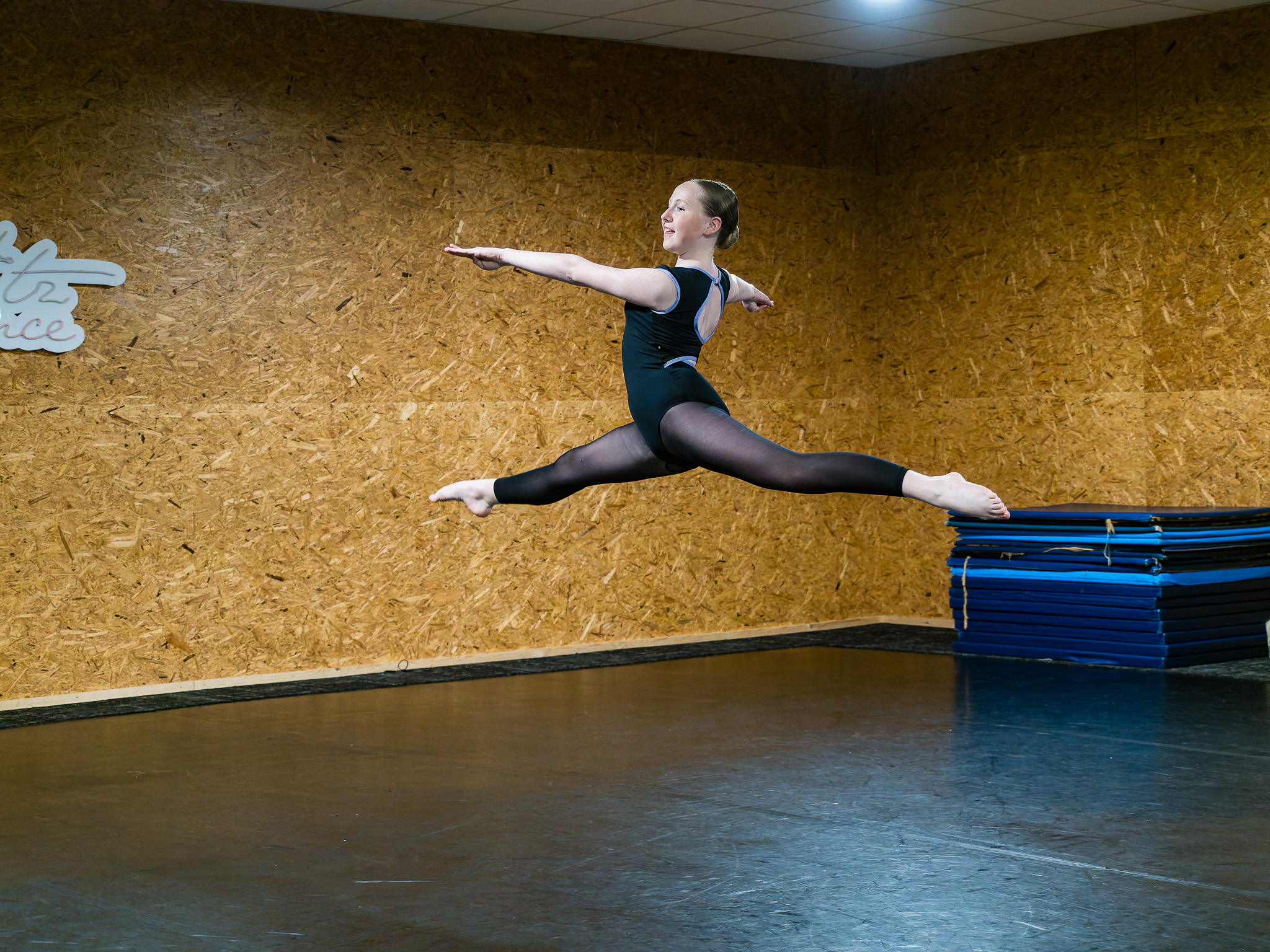
In the vibrant world of dance, expressions move beyond words to manifest in effortless leaps and synchronised routines. However, behind every captivating performance lies a foundation cemented in safe and structured dance training. This is particularly crucial in nurturing the talent of young dancers who are brimming with enthusiasm but require guidance to hone their skills safely.
Safe dance training is not merely a supplement to artistic skill; it is its backbone. It ensures that dancers of all ages can enjoy their craft with confidence and longevity. A structured approach to dance training prevents injuries, promotes efficient learning, and builds a supportive environment conducive to growth.
Preventing Injuries with Proper Techniques
Dance is as physically demanding as any athletic pursuit. It involves a diverse range of motions, from the agile spins of ballet to the dynamic moves of street dance. Without proper instruction in safety techniques, dancers risk straining their bodies. A twisted ankle or pulled muscle can bring progress to a halt, impacting a dancer’s development both physically and psychologically.
A structured programme addresses these risks by incorporating warm-ups, cool-downs, and exercises focused on flexibility and strength. At KTZ Dance School, our instructors are trained to observe each dancer’s individual needs, offering guidance tailored to their unique capabilities. The emphasis remains on learning at a comfortable pace, overcoming physical challenges with informed support.
Enhancing Performance and Learning through Structure
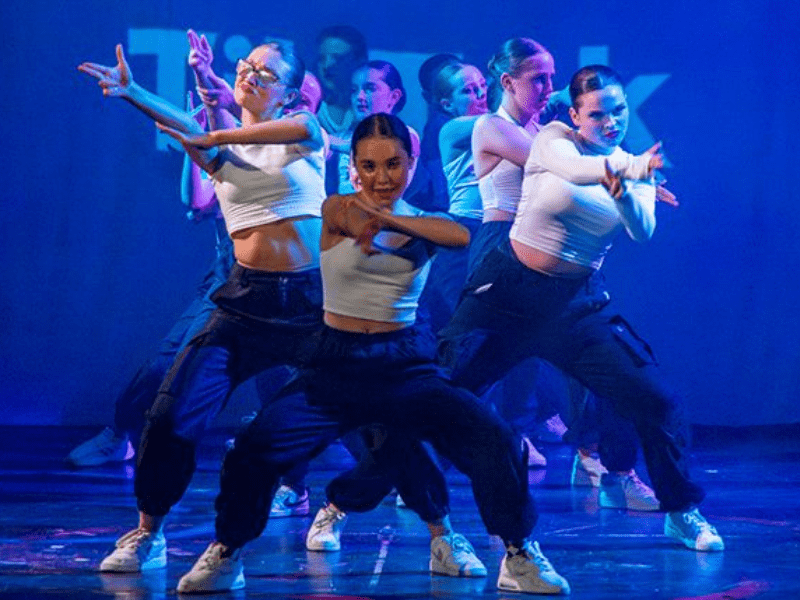
Structure in training is vital to mastering intricate dance forms. It offers students a clear roadmap, allowing incremental progress that builds confidence alongside skill. Our structured lessons at KTZ Dance School cover a wide array of styles, including ballet, musical theatre, and street dance, ensuring comprehensive growth for each student.
Students benefit from a curriculum designed to introduce complexity progressively. This method fosters a deeper understanding of various dance genres and techniques, equipping dancers with a versatile skill set that enhances their performance abilities. As students advance, they gain the discipline to tackle more challenging routines, reflecting their growth and mastery.
Developing Mental Resilience and Discipline
Dancing extends beyond physical movement; it is an exertion of mental prowess and discipline. The structured environment at KTZ Dance School emphasises the importance of focus, determination, and perseverance. This mental training prepares dancers to face challenges not only in dance but also in life.
Through consistent practice and routine, dancers learn the value of dedication. The process of honing one’s skills encourages patience, as improvement is often incremental. Celebrating progress—no matter how small—reinforces a dancer’s commitment to their craft, nurturing an unwavering passion.
Cultivating a Supportive Community
One of the intrinsic values of a structured dance training programme is the community it fosters. At KTZ Dance School, dancers find themselves part of a supportive network where peers encourage each other to strive for their best. This community is instrumental in developing both confidence and a sense of belonging.
The camaraderie formed in such settings promotes teamwork and empathy. These attributes are imperative when performing as a group and contribute to a dancer’s holistic experience of joy, friendship, and artistic collaboration.
Concluding Thoughts
Safe and structured dance training forms the cornerstone of a dancer’s journey. At KTZ Dance School, we dedicate ourselves to offering a nurturing environment that balances the freedom of expression with the discipline of training. Our curriculum supports our students not just as dancers but as well-rounded individuals who carry the lessons learned on the dance floor into the wider world.
By prioritising such training, dancers can explore the art form’s beautiful intricacies with confidence, reducing injury risks and achieving their full potential through the power of dance.