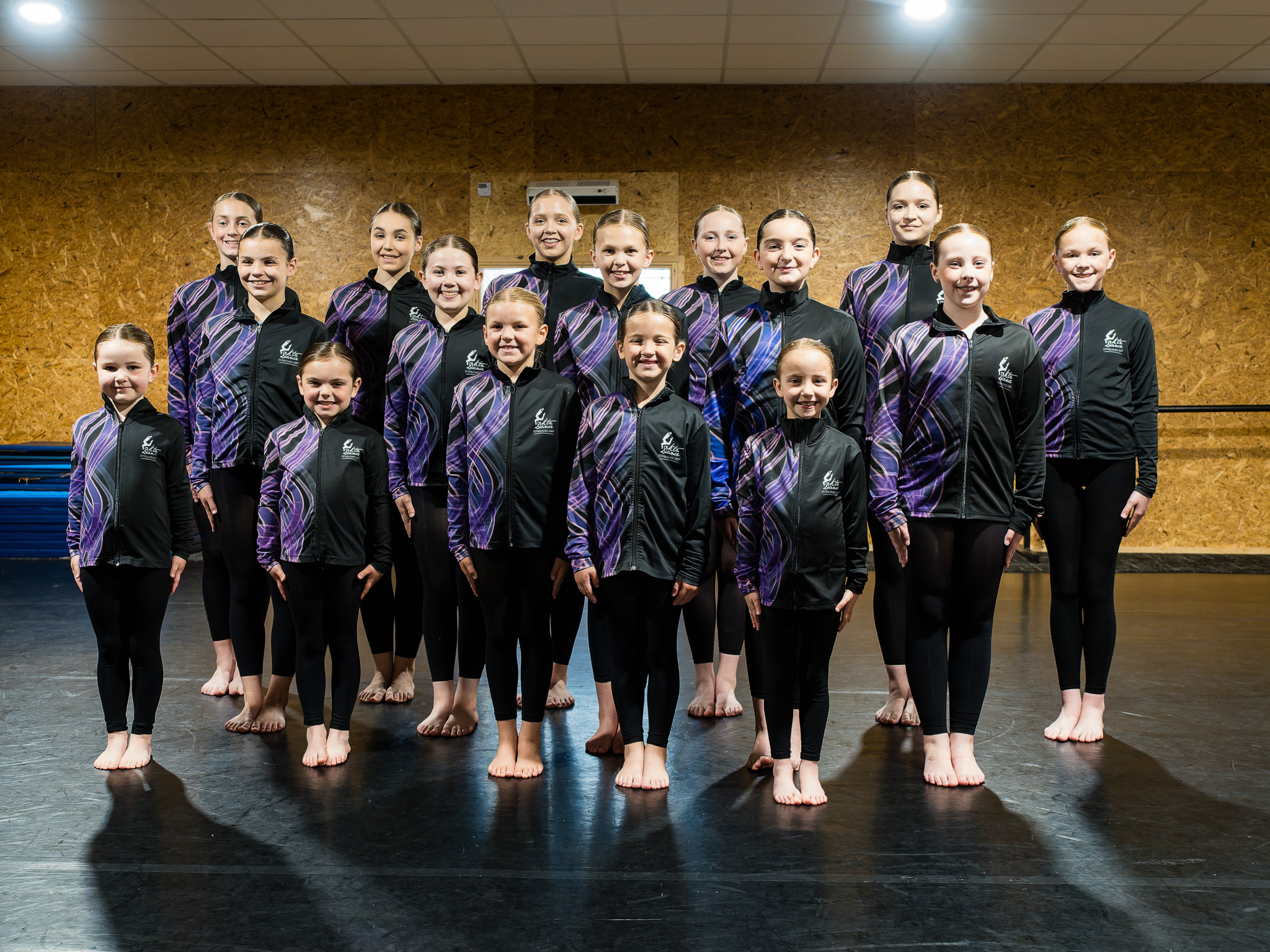
Children’s Dance Classes
Enrolling a child in dance classes is about far more than learning steps and routines. While technique and performance skills are important, the true value lies in the lasting benefits that shape a child’s physical, emotional and social development. From building confidence to improving fitness and encouraging creativity, dance provides a well rounded foundation that supports children as they grow.
In a positive and structured environment, children are given the opportunity to challenge themselves, celebrate progress and feel part of a community. These experiences create skills and qualities that remain with them long after they leave the studio.
Building Confidence That Extends Beyond the Studio
Confidence is one of the most significant benefits of children’s dance classes. Each time a child masters a new movement or performs in front of others, they gain a sense of achievement. This gradual progress helps them trust their abilities and feel proud of their hard work.
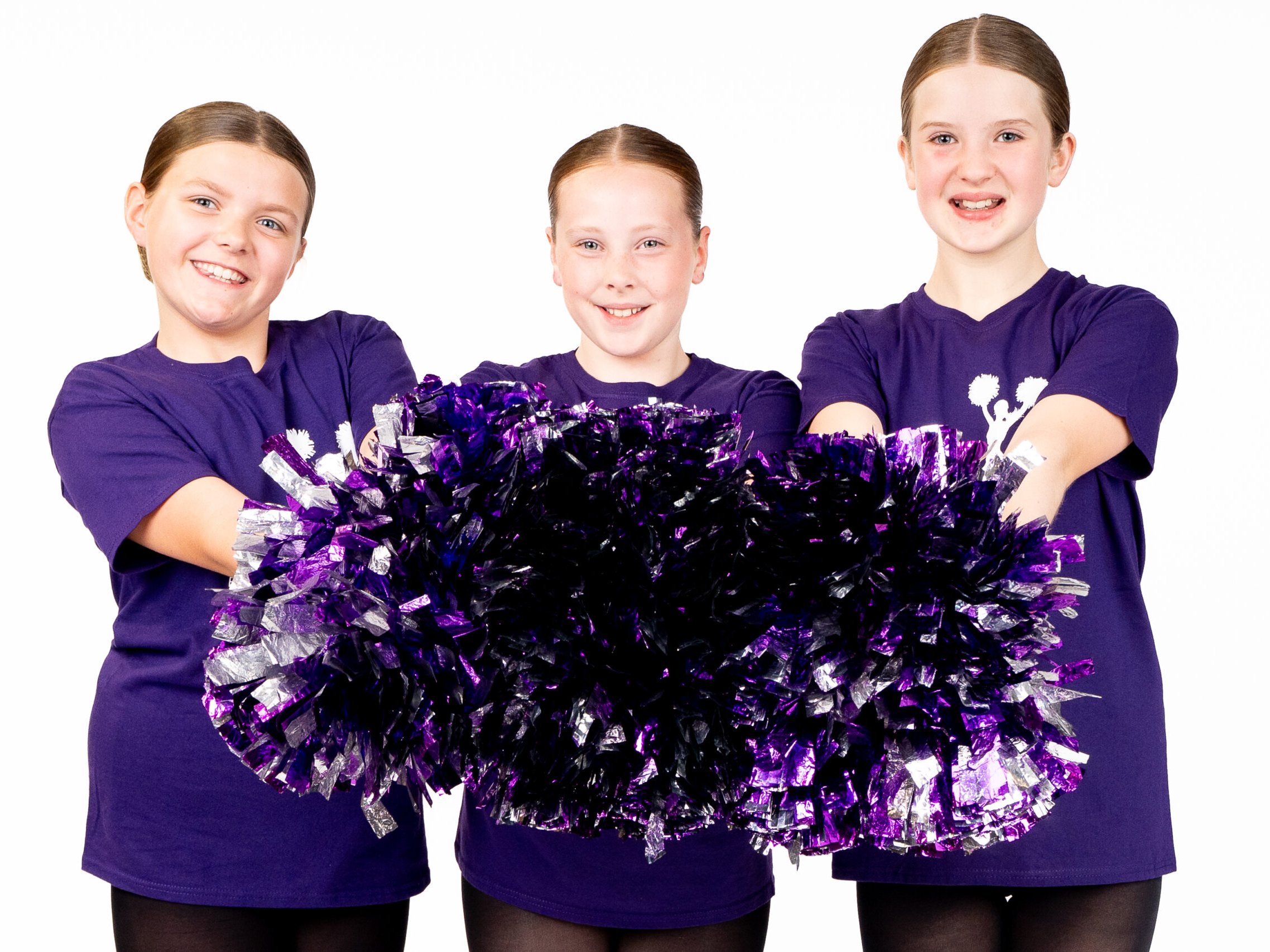
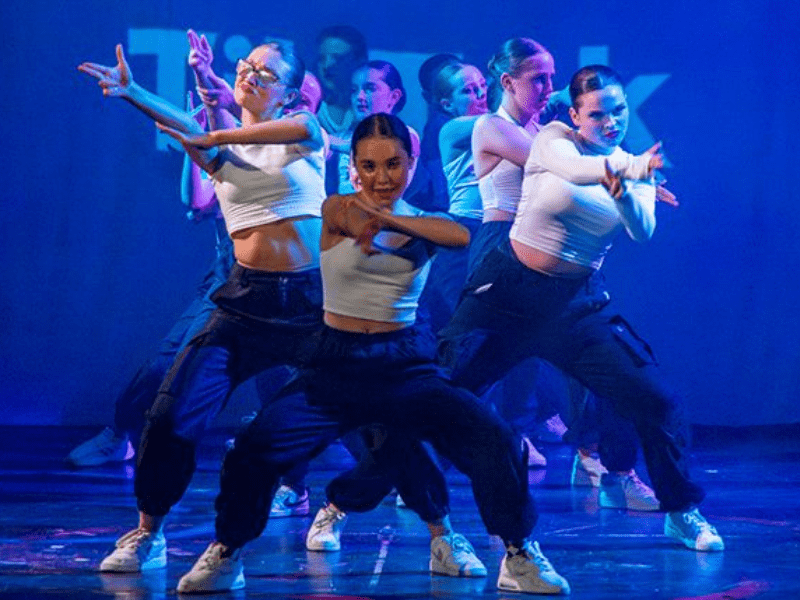
Performances and class presentations encourage children to step into the spotlight in a supportive setting. Applause from teachers, parents and peers reinforces their efforts and builds self belief. Over time, this confidence transfers into school life, friendships and other activities, helping children approach new challenges with a positive mindset.
Supporting Physical Health and Coordination
Dance is an excellent form of exercise that strengthens the body while improving coordination and flexibility. Through regular classes, children develop balance, posture and core strength in a way that feels enjoyable rather than repetitive. Movement patterns practised in dance enhance spatial awareness and control, which can benefit participation in other sports and physical activities.
In addition to physical strength, dance also supports healthy habits. Children learn the importance of warming up, cooling down and caring for their bodies. Establishing these routines at a young age encourages lifelong awareness of fitness and wellbeing.
Encouraging Creativity and Self Expression
Dance offers children a creative outlet where they can express emotions and ideas through movement. Unlike many structured activities, dance allows room for imagination and individuality. Whether interpreting music or exploring choreography, children learn to communicate without words.
Creative expression is vital for emotional development. It provides a safe way to release energy, manage feelings and build self understanding. In a nurturing class environment, children feel comfortable experimenting and discovering their unique style, which strengthens both confidence and identity.
Developing Social Skills and Teamwork
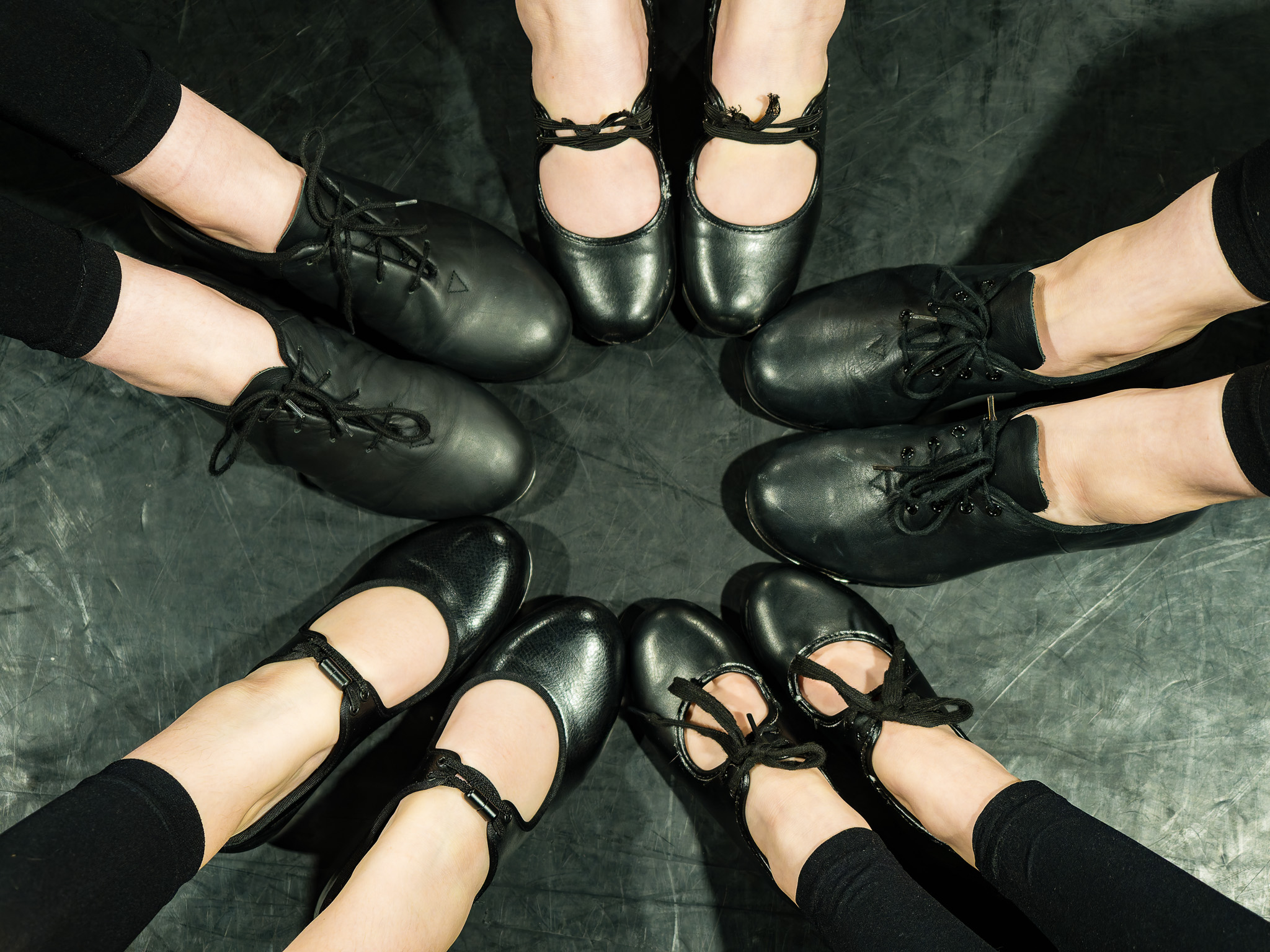
Children’s dance classes naturally foster teamwork and cooperation. Working together on group routines teaches children to listen, take turns and support one another. They learn that every role within a performance is valuable, which builds respect and empathy.
Sharing goals such as preparing for a show creates a strong sense of belonging. Friendships formed in the studio often extend beyond it, providing children with a positive peer network. These social connections are essential for emotional wellbeing and help children feel secure and supported.
Learning Discipline, Focus and Resilience
Consistency and commitment are key elements of dance training. Attending classes regularly and practising movements requires concentration and perseverance. Children learn that improvement comes through effort and patience.
Occasional challenges, such as mastering a difficult step or managing pre performance nerves, teach resilience. With guidance from experienced teachers, children discover that setbacks are part of growth. This understanding builds determination and a strong work ethic that benefits academic studies and future ambitions.
A Foundation for Lifelong Growth
The lasting benefits of children’s dance classes reach far beyond the studio walls. From improved physical health and confidence to enhanced creativity and social development, dance equips children with skills that shape their future.
By providing a supportive and inspiring environment, dance education helps children grow into confident, capable and well rounded individuals. It is not simply about learning to dance, it is about laying the foundation for lifelong success and self belief.