Dance plays a powerful role in childhood development, offering far more than choreography and performance skills. When children attend regular classes, they benefit from structured physical activity while also gaining valuable emotional support. Supporting physical and emotional development through dance creates a balanced foundation that helps young people grow into confident and resilient individuals.
In a nurturing studio environment, children are encouraged to move, express themselves and challenge their abilities. This combination of physical discipline and creative freedom provides long term benefits that extend well beyond the dance floor.
Building Strength, Coordination and Healthy Habits
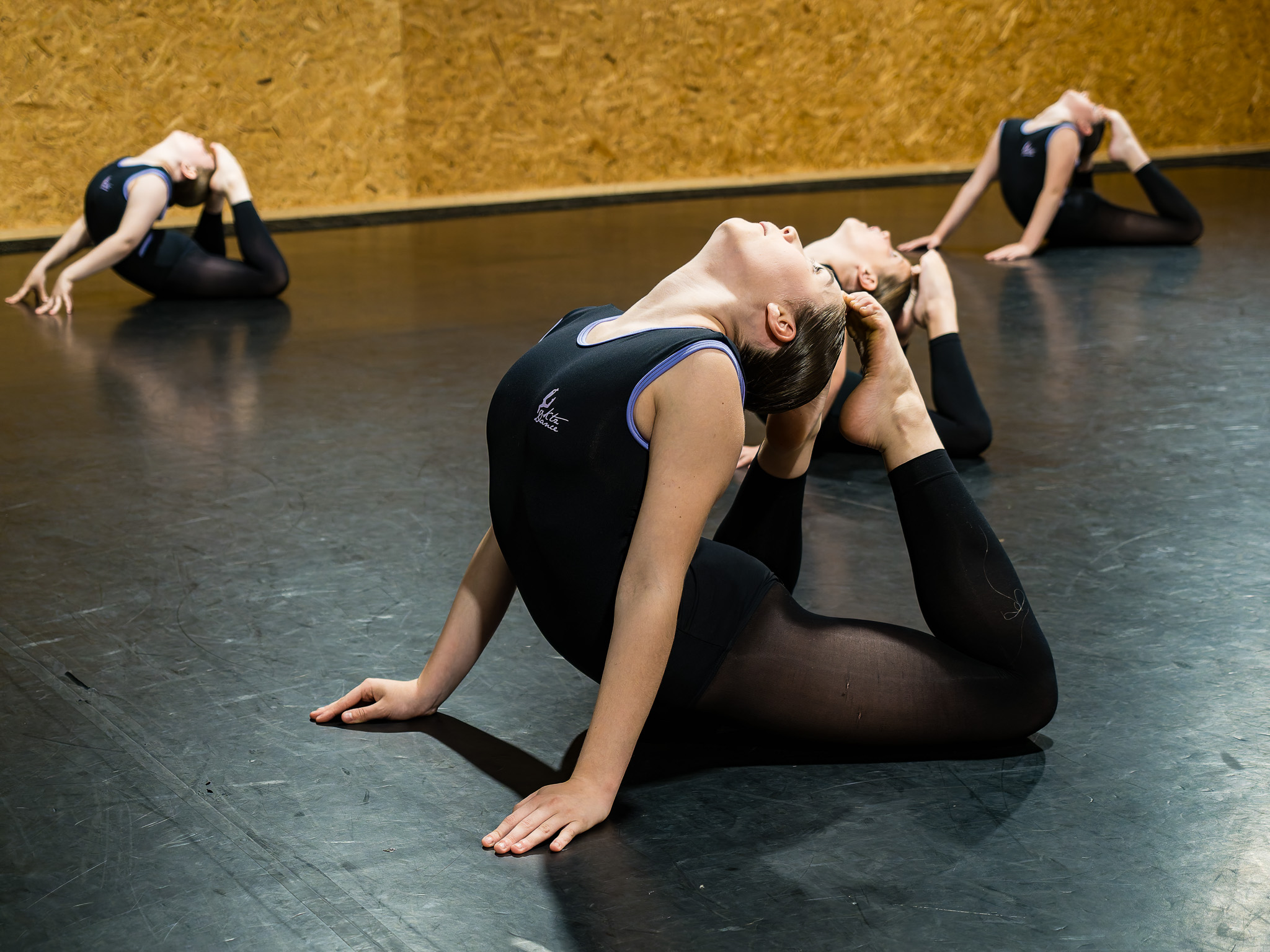
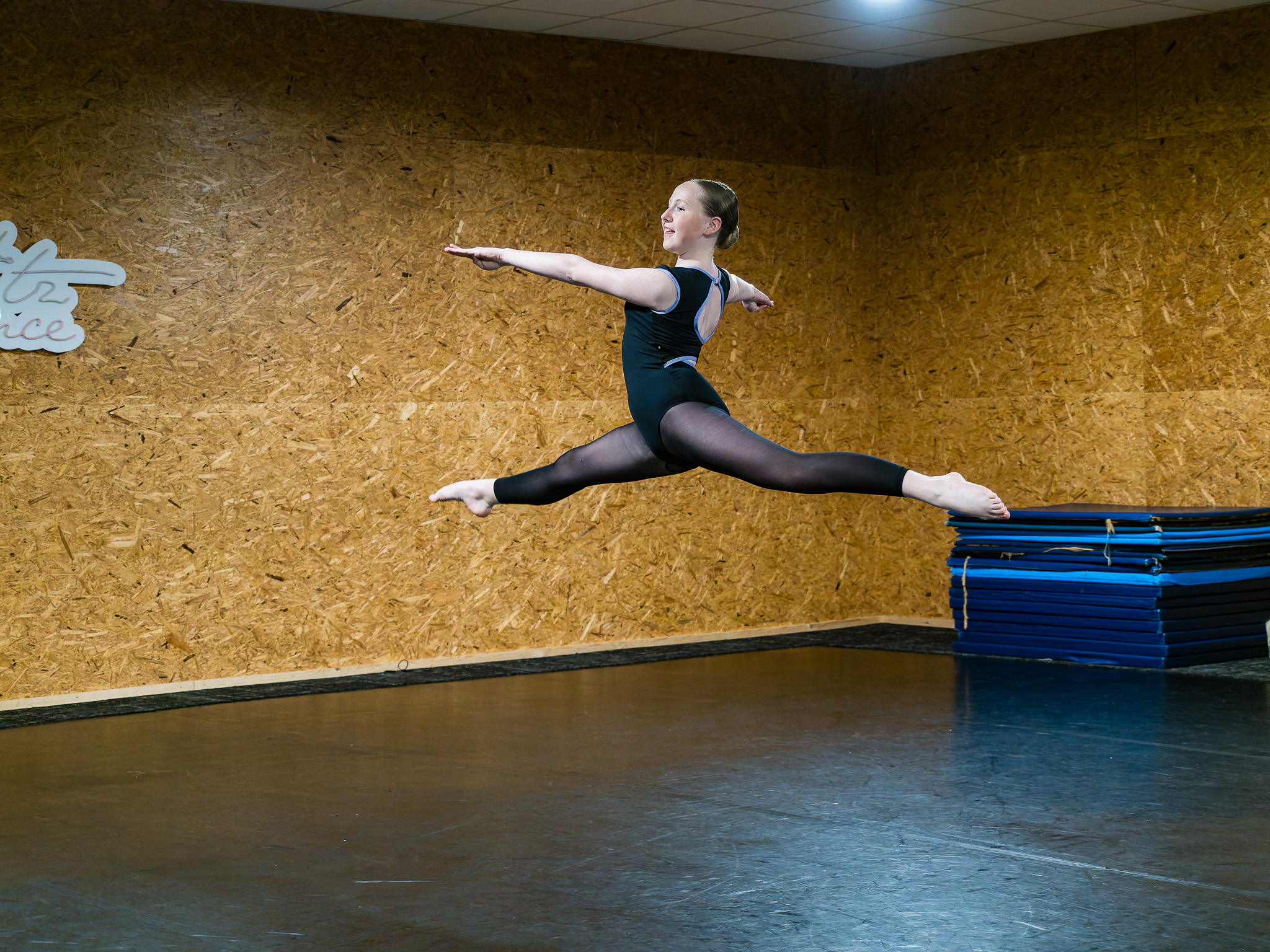
Physical development is one of the most visible benefits of dance training. Through carefully planned exercises and routines, children improve posture, balance and overall coordination. Movements that require control and precision strengthen muscles and enhance flexibility, supporting healthy growth.
Regular participation in dance classes also builds stamina and cardiovascular fitness. Unlike repetitive exercise, dance keeps children engaged through music and variety, making physical activity enjoyable. As they become more aware of their bodies, children develop better alignment and spatial awareness, which can support other sports and daily activities. Establishing these habits early encourages a lifelong appreciation of health and wellbeing.
Enhancing Emotional Expression and Confidence
While the physical benefits of dance are clear, the emotional advantages are equally significant. Dance offers children a safe space to express feelings that may be difficult to put into words. Through movement and music, they can explore emotions in a constructive and creative way.
As children master new skills and routines, their confidence grows. Achieving small milestones builds self belief and reinforces a sense of capability. Performing in front of others, whether in class or on stage, teaches them to manage nerves and develop courage. This steady growth in confidence often transfers into school life and social situations, helping children feel secure and self assured.
Encouraging Resilience and Positive Mindset
Learning dance requires patience and perseverance. Not every step is mastered immediately, and children quickly learn that improvement comes through consistent effort. With supportive guidance from teachers, they begin to view challenges as opportunities rather than setbacks.
This process nurtures resilience. Children discover that mistakes are part of learning and that progress is achieved through determination. Developing this positive mindset at a young age supports emotional wellbeing and prepares them to handle academic pressures and everyday challenges with greater confidence.
Fostering Social Skills and Sense of Belonging
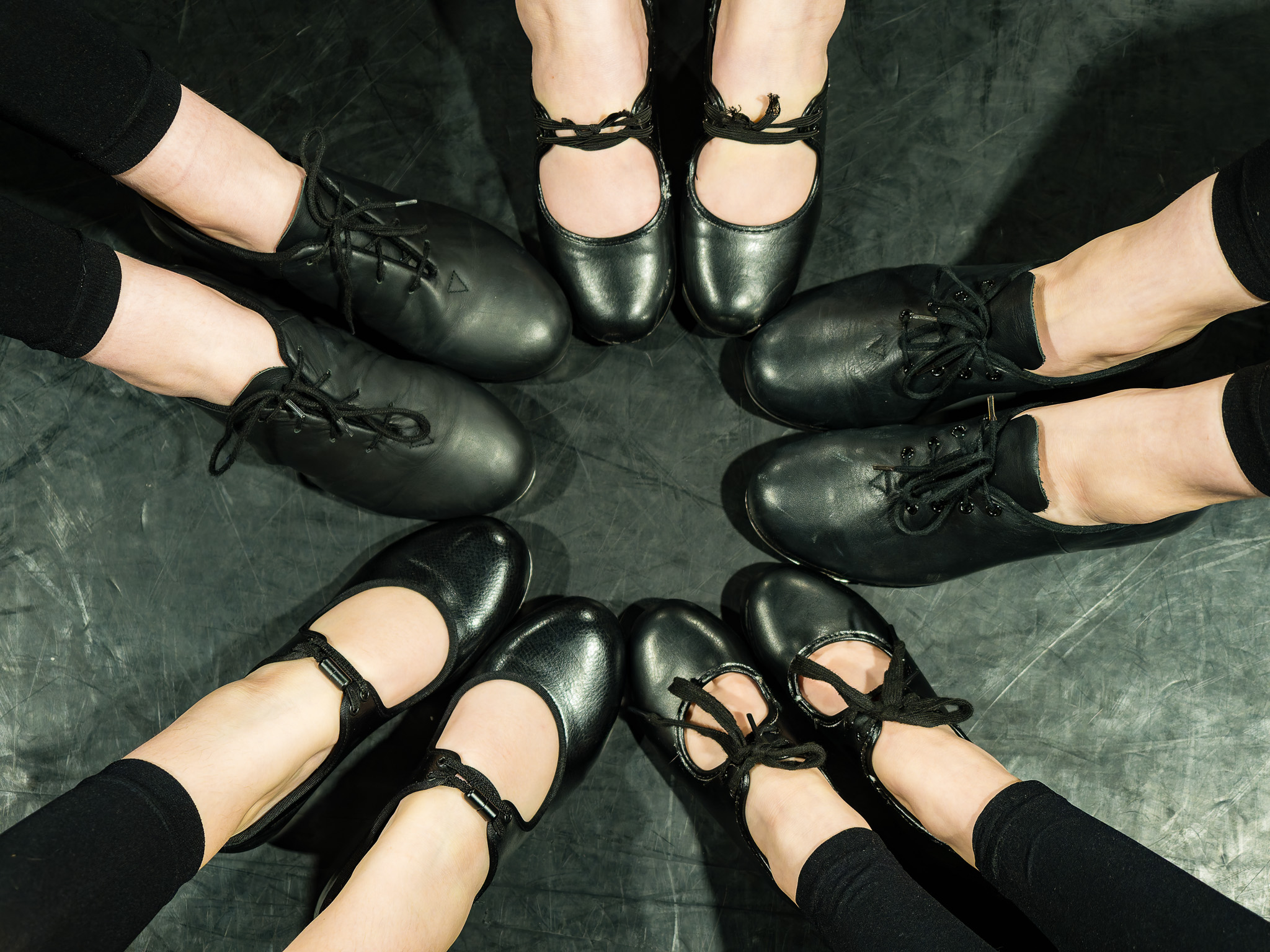
Dance classes bring children together in a shared and supportive community. Working on group routines encourages cooperation, listening skills and mutual respect. Children learn to value each other’s contributions and understand the importance of teamwork.
Being part of a class also helps children feel included and supported. Friendships formed in the studio often strengthen self esteem and provide encouragement. A strong sense of belonging is essential for emotional development, and dance creates a positive environment where children feel accepted and valued.
Supporting Focus and Self Discipline
Structured dance lessons require concentration and attention to detail. Children must remember sequences, follow instructions and apply corrections thoughtfully. These skills strengthen focus and encourage self discipline, which are valuable in both academic and personal settings.
By committing to regular classes, children learn responsibility and time management. They begin to understand that dedication leads to progress, reinforcing both physical improvement and emotional growth. This balanced development supports long term success in many areas of life.
A Holistic Approach to Growth
Supporting physical and emotional development through dance provides children with a comprehensive foundation for the future. Improved strength, coordination and fitness work hand in hand with increased confidence, resilience and social awareness.
Dance is not simply an extracurricular activity, it is an investment in a child’s overall wellbeing. In a positive and structured environment, children are given the tools to grow physically strong, emotionally secure and ready to face new challenges with confidence and enthusiasm.